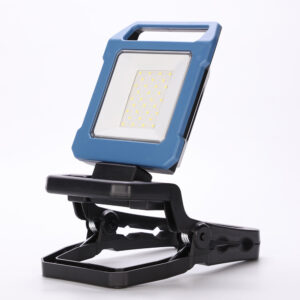
Introduction to LED Technology
LED (Light Emitting Diode) work lights have revolutionized modern illumination in industries, construction, and daily tasks. Unlike traditional incandescent bulbs that rely on heating filaments, LEDs produce light through electroluminescence—a process where electricity passes through a semiconductor material, emitting photons. This fundamental difference eliminates excessive heat generation and reduces energy waste, making LEDs up to 80% more efficient.
Key Advantages Over Conventional Lights
- Energy Efficiency: LEDs consume significantly less power while delivering brighter, focused lighting. For example, a 10W LED can outperform a 60W incandescent bulb.
- Durability: Built with solid-state components, LED lights resist vibrations, impacts, and extreme temperatures, ideal for rugged environments.
- Longevity: With an average lifespan of 25,000–50,000 hours, LEDs outlast halogen or fluorescent alternatives, minimizing replacement costs.
- Eco-Friendliness: Free of toxic mercury and emitting minimal UV/IR radiation, they align with sustainable practices.
Practical Applications and Selection Tips
From construction sites to home workshops, LED work lights provide adjustable brightness and color temperatures (e.g., cool white for precision tasks, warm white for ambient use). When choosing a model, consider factors like IP ratings for water/dust resistance, lumens (brightness), and portability features such as battery options or mounting flexibility. Innovations like motion sensors and dimmable controls further enhance usability.
Conclusion
LED work lights symbolize the synergy of technology and practicality, offering safer, cost-effective, and versatile lighting solutions. As research advances, future developments may integrate smart controls and renewable energy compatibility, reinforcing their role in a smarter, greener world.